
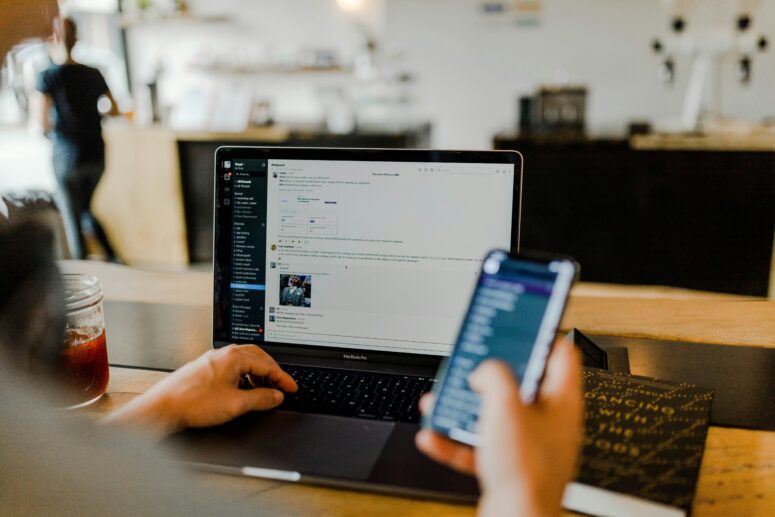
In the era of remote work, managing a team remotely can be challenging, but with the right strategies and tools, you can ensure effective remote collaboration, regardless of the industry your company operates in. The value of communication, collaboration, and motivation is no less important in remote work than in a traditional office. Here are some best practices and tools that can help in managing a remote team:
- Communication is key: Regular and clear communication is crucial for effective remote work. Organize regular team meetings using video conferencing tools to discuss progress, goals, and project challenges. Ensure that all team members are informed about current issues and have the opportunity to ask questions.
- Use project management tools: There are many online tools available that facilitate project management and team collaboration. Choose a tool that best suits your team’s needs and allows for effective monitoring of project progress and task assignment.
- Provide technical support: Ensure that team members have access to the necessary tools and technical support they may need to perform their remote work. Ongoing technical support can help troubleshoot issues and minimize downtime.
- Motivate and engage the team: Remote work can be challenging for employee motivation and engagement. Organize regular team-building meetings, reward team achievements, and remember to appreciate the efforts of each team member. Building a positive atmosphere and sense of community can contribute to greater efficiency and job satisfaction.
With the right approach and the use of appropriate tools, managing a remote team can be as effective as working in a traditional office. By adapting to the new realities of remote work, you can create a smoothly functioning team that achieves its goals and continuously develops, regardless of the location of its members.